WhatNitrous
Well-known member
- Messages
- 24,958
- Points
- 113
I just realized he spelled millions wrongBy the way, about mils and millions. I invested all my pocket money in foreign currency. Be jealous, now I'm a millionaire!

ZF channel?

I just realized he spelled millions wrongBy the way, about mils and millions. I invested all my pocket money in foreign currency. Be jealous, now I'm a millionaire!

Chack https://na.alienwarearena.com/account/personalizationAnyone has any idea what this awa quest is ?
New Frame of Mind!
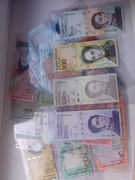
I didnt doubt that, I was actually asking if the channel was yours from days gone byThese are really mine. Every few years in Venezuela there is a terrible inflation and the money is worth much less than the paper they are printed on, so you can buy a year's issue for a few cents.
It's working. Or at least Humble Bundle sent me its receipt.Oh, in case anyone wasn't aware, gmail actually went down earlier even though all other google services were working, it might still be down I haven't checked...but I wouldn't rely on emails being on time too much right now.

Incoming charge, checkIt's working. Or at least Humble Bundle sent me its receipt.
United states...kind of a long trip
other than that I'd buy it.
"Horse Being (2016)"??"According to a study I just made up in my head"
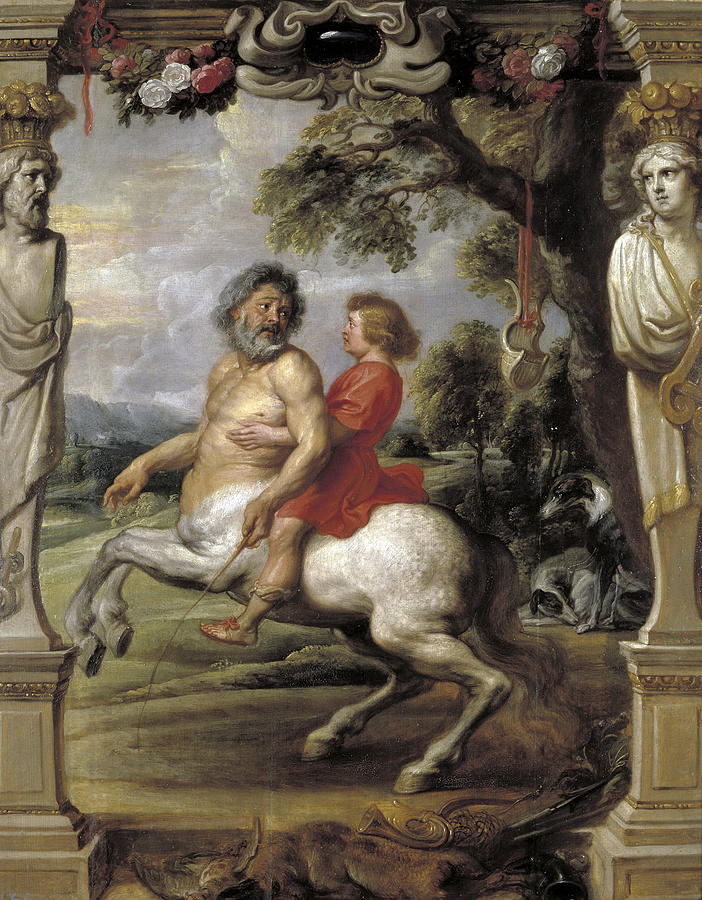
...and I guess I'm attractive AF then...may be broke and an asshole, but i'm half horse lmao

No, facebook memeHorse Being (2016)"??
nevermind.
Reminds me of "Life taking a shit on you." but potato pototo, I've made multiple things and been offered multiple jobs that would have made me rich if I was greedy enough to use it to my advantage....and I can't even win when I win...like my lawsuit.Regarding money and jobs, it just reminded me of this movie: "Sorry to Bother You (2018)". I recommend it.


The paper in some countries is worth more than the money, supposedly you can make a fortune by turning it back into paper. But if i'm being real...I'm pretty sure where I heard that was really AI trollingZimbabwe, they have always been the richest,
But it's better not to laugh because with this debt-money bullshit, papers to wipe their asses since they broke Bretton Woods, those who paint the bills could do the same to us any day.
In fact, they are already doing it. This devaluation of the dollar and euro compared to any product is just that, a scam that has been going on for more than half a century, since 1971.
what a clown.

You are mythological creature a centaurGood t-shirt idea
Code:^ | Half Man Half Horse | v
Always wanted to make that shirt